
Reduce need for prescription pain medications.

Have more energy for an active lifestyle.

Work with a chiropractor to feel better & enjoy life!

Most treatments mask your symptoms instead of fixing the cause of your pain.
When you’re dealing with aches and pains that keep you from living a healthy, active lifestyle it’s hard to know where to turn. Most approaches treat the symptoms but not the root cause of your pain, leaving you in a cycle of relying on prescription medications and settling for a less active lifestyle.
You shouldn’t have to live in pain. There’s a better way to help your body heal naturally.

With proper care, your body is designed to heal itself.
A consistent treatment plan with a chiropractor can help you…
Get rid of aches and pains that hold you back
Sleep better & have more energy
Reduce your need for pain medication
Improve your day-to-day quality of life
A simple plan for finding relief
Free Guide: 12 Stretching exercises to relieve back & neck pain
“Absolutely fabulous practice. Chiropractic care from highly experienced and knowledgeable providers is life-changing and that is what these guys and their staff provide.”
“I’ve been a patient of Isdale Chiropractic for several years and there truly is no other clinic like theirs! They are family-oriented, knowledgable and passionate healers.”
Get Started Today:

Schedule an Appointment
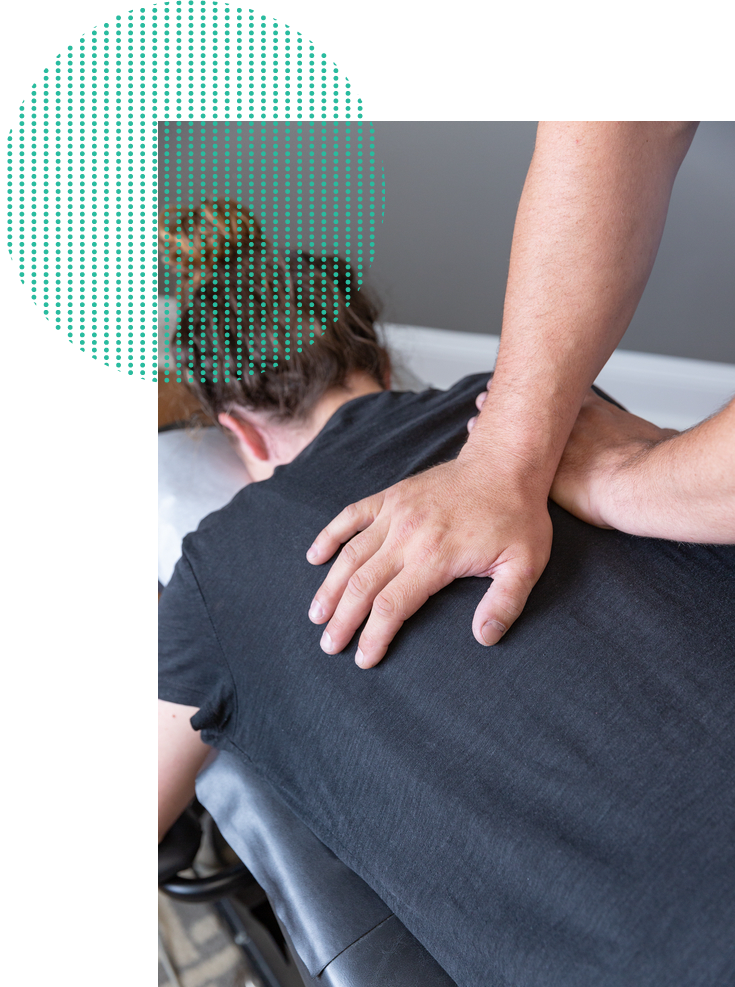
During your first appointment, we’ll conduct a consultation and examination to determine what’s wrong and create a treatment plan to help you recover and reduce pain.

Follow your treatment plan
Your treatment plan will be designed to address your specific needs and will include in-office treatment as well as changes you can make in your everyday life to support your recovery.

Enjoy an active, healthy lifestyle
Get rid of pain, reduce your need for prescription pain medication, and get back to enjoying your life.
We want to help you live a naturally healthy lifestyle.
Many of our patients initially see us because they are in pain or discomfort. They want to live an active, healthy lifestyle without having to rely on pain medication or muscle relaxers, but the treatments they’ve tried so far haven’t worked. You shouldn’t have to live in pain. There’s a better way to heal your body, naturally. A consistent chiropractic treatment plan can help.
Our team of chiropractors work to find the core source of the pain and develop a custom treatment plan to help you recover and feel better. Our natural approach avoids the problems that can be associated with using prescription drugs.
As the longest-serving Chiropractor in Killeen, Isdale Chiropractic Clinic has provided family-focused care since 1949. We proudly serve Harker Heights, Nolanville, Copperas Cove, Salado, Belton, and the surrounding areas, including Fort Hood. It is our goal to help you understand the health benefits of chiropractic care and how it can help you lead a healthier life.
Our services include chiropractic adjustments, spinal decompression therapy, herniated disc treatment, therapy and rehab, and exercise. We also provide acupuncture, nutrition expertise, and pediatric and prenatal chiropractic services.
Schedule an appointment today so you can begin feeling healthier, more energetic, and pain-free naturally.